
Lowering stress on calves as a lot as attainable throughout the first seven months of their lives is a key half within the philosophy of how Plateau Cattle Firm raises cattle.
WHY IT MATTERS: A more healthy and happier calf virtually at all times results in higher efficiency.
However this third-generation southern Alberta ranching operation says making use of “care and compassion” protocols additionally interprets into improved charges of acquire, larger weaning and advertising weights, and infrequently a higher-quality beef product that may be price extra within the market.
Read Also
The lowdown on winter storms on the Prairies
It takes more than just a trough of low pressure to develop an Alberta Clipper or Colorado Low, which are the biggest winter storms in Manitoba. It also takes humidity, temperature changes and a host of other variables coming into play.
“We’re at all times enthusiastic about making an attempt new practices and procedures which can be based mostly in science and present constructive analysis outcomes,” says Laura Laing, who, together with husband John Smith, owns and operates the industrial cow-calf operation west of Nanton, Alta.
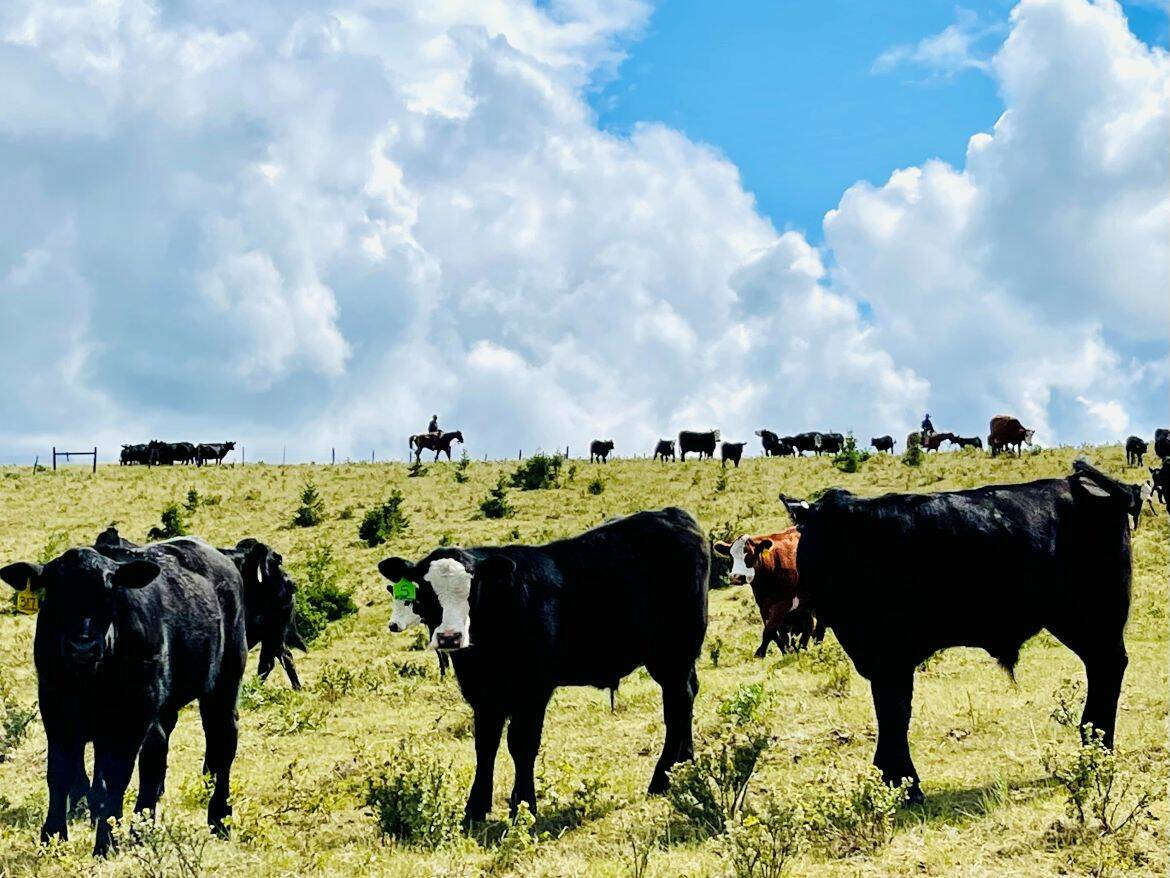
“Testing new concepts does take time, however additionally it is attention-grabbing to see what works in addition to what doesn’t work. Initially, these care and compassion protocols are on the coronary heart of our ranching operation,” she continues.
“We each imagine that low-stress manufacturing and dealing with strategies contribute to more healthy animals — and additionally it is the best factor to do. And we’re seeing that these measures result in general more healthy calves that carry out higher.”
Getting calves off to a wholesome, reduced-stress begin is vital to having a calf that’s going to show impressive average daily gains on its mom’s milk and native pasture over the approaching grazing season, says Laing.
Later calving season
Laing and Smith have carried out a number of operational modifications since taking on the ranch from Smith’s mother and father in 2016.
One of many first important modifications carried out was the choice to maneuver the calving season from February to April. This adjustment was made with the intention of higher aligning calving with Mom Nature and, in flip, lowering stress on each cows and calves. By concentrating the calving interval, Plateau maintains a centered breeding season, ensuing within the majority of their 450-head cow herd calving between early April and the top of Could.
To help herd administration and genetic enchancment, the ranch conducts DNA testing all through the herd and on bulls prior to buy. Complete breeding information are meticulously maintained by way of HerdTrax, an built-in on-line cattle document administration software program, permitting for the cautious number of breeding inventory.
A key choice criterion is using Black Angus bulls that carry the TT Leptin gene, identified for calving ease and better good points from decrease inputs. Laing says this method helps guarantee calving success and their potential to attempt for a beef animal that finishes quicker with excessive efficiency good points and grading for his or her patrons.
“Calving on pasture in April is extra consistent with pure calving cycles. It isn’t at all times ultimate climate in April both, however we usually tend to have spring circumstances than the February chilly and snow. Being moist is extra of a priority than snow,” she says.
“For essentially the most half climate throughout calving in April and Could has been beneficial, and you’re assured extra daytime of daylight.”
Though there are few circumstances of calving issue, the cow herd is monitored throughout the calving season, and people will be delivered to close by maternity pens for calving if wanted. As cows calve, the calves are processed within the discipline. Whereas Plateau prefers to make use of horses for many livestock dealing with operations, Smith has outfitted a side-by-side utility automobile with provides wanted, together with a weigh scale for processing new child calves.
New child processing
Processing day-old calves consists of making use of an RFID tag together with a dangle tag carrying the Plateau Cattle Firm title and quantity comparable to the mom’s tag quantity. Lidocaine-infused castration bands are utilized to bull calves, and all calves are weighed. A DNA pattern — a small tissue pattern snipped from the ear — can also be collected.
Plateau maintains detailed information on all cattle beginning with new child calves. Calves are weighed at delivery, in early June simply earlier than turnout onto pasture and at weaning in late October, offering good data on general progress and efficiency.
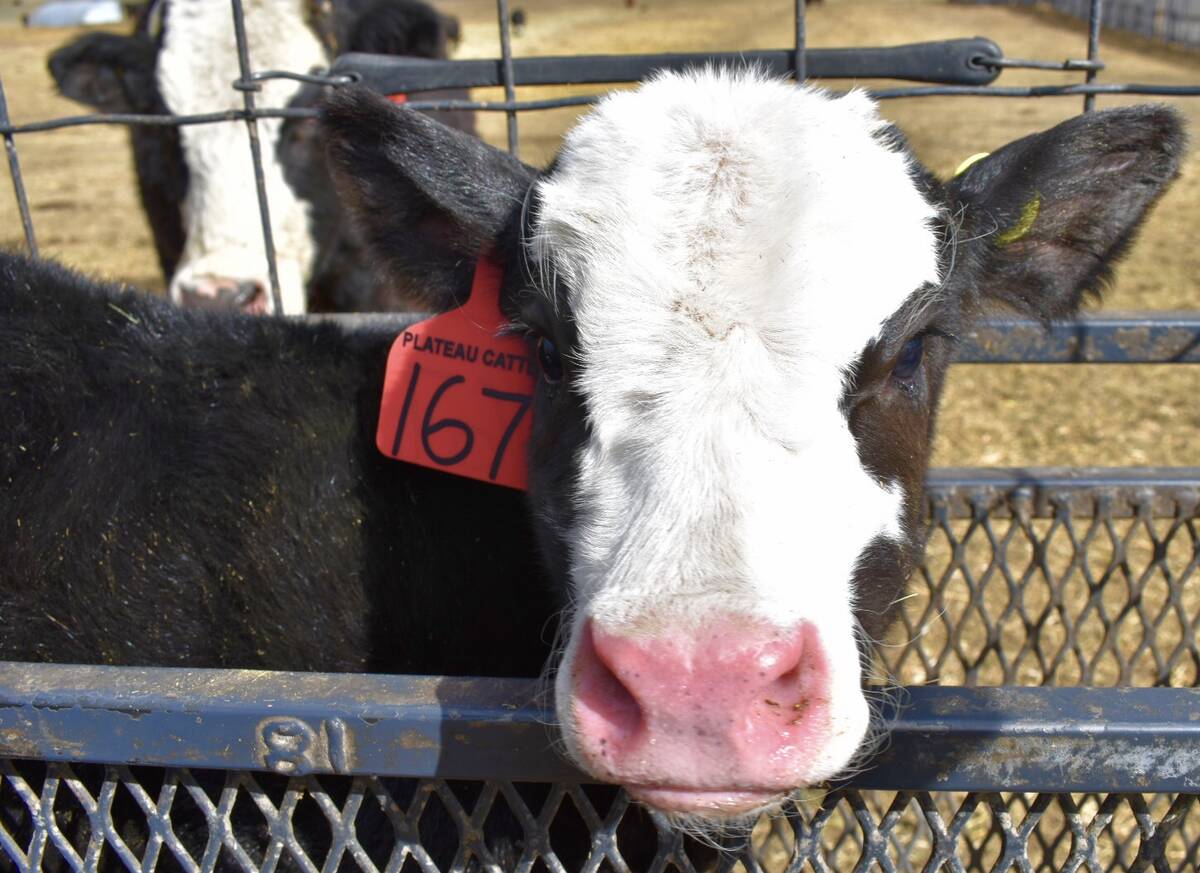
The DNA samples are collected with two-fold objective. Because the cow herd is high-percentage Black Angus with some Hereford affect, the ranch is aiding each the Angus and Hereford breed associations with their genetic analysis tasks by offering DNA samples.
“In return we get data again, which helps us consider our breeding program,” says Laing. “By matching calf efficiency with data on herd sires and EPDs, we’re in a position to choose bulls carrying traits that almost all profit our breeding program and aims.”
Late Could processing
Plateau Cattle Firm hasn’t branded calves for 9 years. Laing says eliminating branding has been an integral consider considerably lowering calf stress and bettering general efficiency.
“In our first 12 months we recorded a median 18- to 20-pound acquire per calf — even in calves born every week later than the earlier 12 months’s branded group,” says Laing.
“Branding is a really tense therapy that actually units the calves again…. Now on processing day in late Could, calves transfer by way of the chute, we vaccinate and weigh the calves once more, and that’s it.”
Solely cows inside the ranch’s breeding herd are marked with a freeze model for identification.
Whereas the concept behind branding is to affix everlasting identification on the calf to forestall rustling, Laing says their dangle tags and RFID seem like enough.
“Rustling hasn’t been an issue since we give up branding our calves, and let’s face it — if somebody actually desires to take a calf, the model isn’t going to cease them.”
Each cows and calves are weighed in late Could and once more in June earlier than they’re hauled to summer season pasture, which incorporates about 65,000 acres of native grass on public lands within the Mt. Livingstone Vary in addition to the Waldron Grazing Co-operative.
House for weaning
The herd is introduced house in late September and early October for last vaccination, weighing and weaning. Plateau has launched two stress-reducing practices for this course of up to now couple of years, each of that are along with research at Olds Faculty: fenceline weaning and treating calves with FerAppease.
FerAppease is an artificial model of Maternal Bovine Appeasing Substance (MBAS), a naturally occurring pheromone secreted by way of the pores and skin of the mammary gland of lactating cows whereas calves are nursing. The pheromone has a relaxing affect on the calf.
After calves are processed and about to be separated from their moms, the liquid FerAppease is utilized with a curler applicator to the brow and face of every calf, which they hope will produce a relaxing impact that ought to final for about two weeks. Olds Faculty says early outcomes present the therapy reduces stress in cattle, improves dealing with and will even enhance feed effectivity.
“We’re nonetheless evaluating fenceline weaning, however each cows and calves seem like much less anxious,” says Laing.
“There’s a little bit of bawling for couple days, however each the moms and calves quickly appear to lose curiosity in one another and transfer on to grazing. Proper now at processing we’re preg checking cows and vaccinating calves after which sorting them for fenceline weaning. Subsequent 12 months we might strive splitting that up by preg examine and vaccinating after which wait every week earlier than we type calves off for fenceline weaning. It might assist ease them into weaning a bit higher.”
For the 2025 weaning program, calves have been weaned in early to mid-October and offered by way of on-line public sale in early December. Calves have a minimal of 42 days at house post-weaning earlier than they’re shipped.
“Through the 12 months we apply various practices, which hopefully scale back the stress on each calves and cows as a result of it’s proper factor to do,” says Laing.
“However we additionally hope it leads to more healthy animals, with improved charges of acquire and in the end extra kilos of beef.”
As Plateau makes some extent of working with patrons to observe calves by way of feeding and processing, they’ve discovered that almost all of their calves end within the Triple AAA and Prime grades.
“Hopefully the market sees and appreciates that effort with improved costs,” says Laing.
“For our patrons, these calves have already settled down after weaning, so there must be much less sickness within the feedyard and improved charges of acquire. And for finish customers equivalent to eating places and customers who wish to understand how their beef is raised, we hope they respect the care that has gone into elevating these animals, leading to a higher-quality beef product on the plate.”

Trending Merchandise

ZuPreem FruitBlend Bird Pellets, Daily Bird F...


ZuPreem Sensible Seed Bird Food, Parakeet, Bu...

Kaytee Forti-Diet Pro Health Egg-Cite Nourish...

Best Nest Wellness Mama Bird Probiotics ̵...


Kaytee Fiesta Macaw Food, Nutritious and Fun ...

Pet Eye Cream Health for Dogs, Cats, Cattle, ...

