
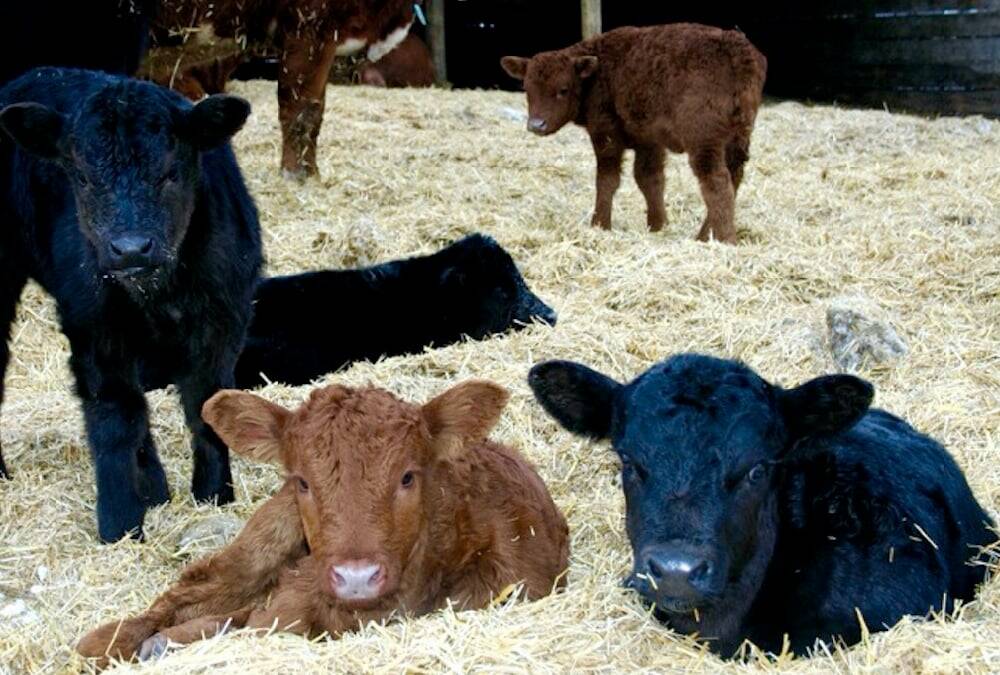
Whereas calving season can take a look at anybody’s fortitude, winter and early spring calving has its personal distinctive set of challenges. Calving in confined areas, resembling barns, feedlots or winter pastures, can enhance illness strain amongst calves. Mostly, this presents as scours in new child calves.
Pathogens that trigger scours are most ceaselessly handed on from one calf to the opposite through fecal to oral transmission (manure to mouth). In confinement calving techniques there’s a excessive environmental load of those pathogens from the quantity of manure in a comparatively small space. In barns or calving sheds, the place pairs are moved out and pregnant cows are then moved in, there could be a buildup of manure that contributes to illness strain.
Read Also
Alberta producers share why on-farm research drives success at RDAR showcase
Farmers explain how producer-led trials and strategic data collection are bridging the gap between the lab and the field in their operations.
picture:
file
Understanding the pathogens answerable for inflicting scours in addition to the underlying administration components which are contributing to illness unfold are helpful in therapy and prevention of calf scours in your farm. Some administration components can’t be modified, and prevention will rely closely on pharmaceutical intervention, whereas in different circumstances modifying cow-calf pair motion or calving teams can considerably cut back infections. This may require laboratory testing, performing necropsies and taking samples from lifeless calves and/or fecal samples from affected dwell calves.
Rotavirus and coronavirus
Rotavirus is among the commonest causes of diarrhea in calves, particularly in calves youthful than three weeks of age. The incubation interval is just 24 hours after ingestion, and uncomplicated circumstances can resolve in two days. Coronavirus equally infects calves youthful than three weeks of age. As each are viruses, there is no such thing as a particular therapy out there to cease the an infection past supportive care and rehydration.
- Prevention consists of: cleanliness of calving space, decreasing environmental contamination in pens/pasture within the month following calving, vaccination of cows, and/or oral antibody merchandise at beginning.
Escherichia coli
There are a lot of sorts of E. coli, a few of that are a traditional a part of the intestinal microflora and don’t trigger illness. Nonetheless, there are a number of particular forms of E. coli that may trigger vital scours and sickness. Some forms of E. coli may trigger systemic illness involving the kidneys and liver. In beef calves, pathogenic (disease-causing) E. coli has been discovered to be a standard reason for diarrhea, particularly within the first 4 days of life. The largest threat of an infection happens within the first or second day of life.
- Prevention consists of: cleanliness of calving space, vaccination of cows and/or oral antibody merchandise at beginning.
Salmonella
There are a number of forms of salmonella that trigger illness in calves. Calves lower than a month of age are extra generally affected, however salmonella could cause illness in older calves and even grownup cows. Along with scours, salmonella could cause systemic sickness, and sometimes calves current with melancholy and inappetence earlier than the onset of scours. Some calves can die of extreme acute salmonella infections earlier than they even present indicators of sickness.
- Prevention consists of: cleanliness of calving space and decreasing environmental contamination in pens/pasture within the first months of life.
Clostridium perfringens
Clostridium perfringens sort C is a bacterium that causes acute and extreme scours, usually affecting calves youthful than 10 days of age. Apparently, Clostridium perfringens sort C infections have been related to occasions that trigger calves to overlook meals after which overconsume milk.
- Prevention consists of: cleanliness of calf surroundings, vaccination of cows previous to calving, and administration practices that decrease regular frequent feeding classes for calves.
Cryptosporidium parvum
Whereas the notorious “crypto” is a standard reason for diarrhea in dairy calves and vet college students newly launched to working with calves, it much less generally infects beef calves. A zoonotic illness, it might infect each calves and people, though most producers with a wholesome immune system have developed a powerful defence in opposition to it. Cryptosporidium is neither a bacterium nor virus, however a protozoa with a sophisticated life cycle involving a number of phases (consider a tadpole turning right into a frog, with extra steps). Oocytes, the infective egg stage, could be shed as early as three days of age however normally peaks at two weeks of age, which is vital to know when managing calving teams to restrict the unfold of an infection.
- Prevention consists of: cleanliness of calving space, decreasing environmental contamination in pens/pasture within the month following beginning, and administering halofuginone to new child calves.
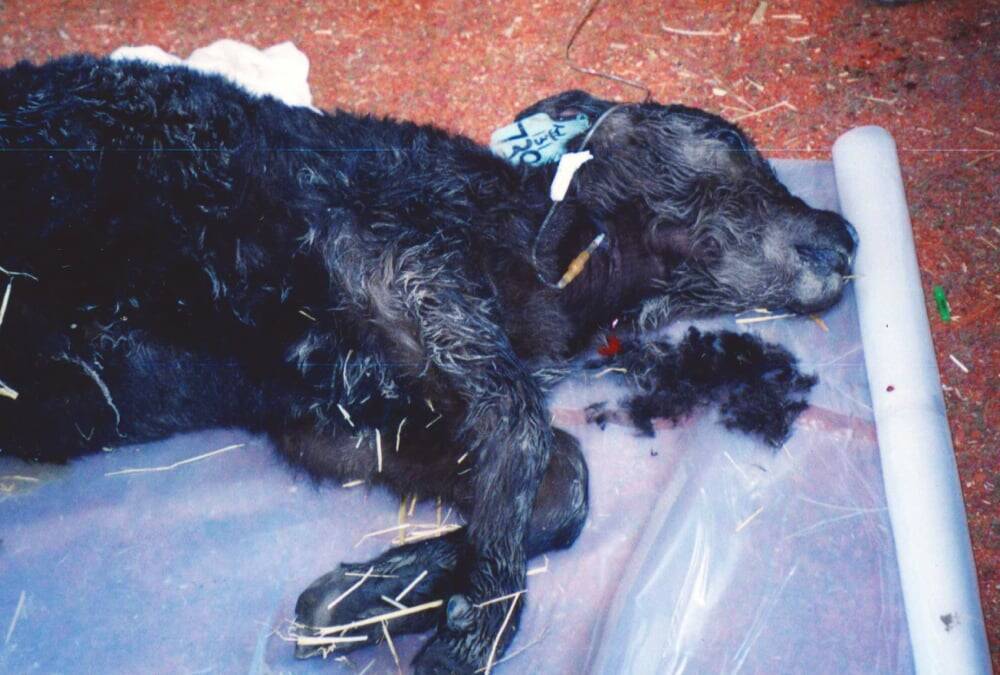
In all circumstances of scours, a very powerful therapy entails electrolyte remedy, oral or intravenous. Fluid remedy prevents extreme dehydration and corrects acidosis, that are in the end answerable for killing calves usually. Many circumstances of calf scours could be blended infections, with viral, bacterial and/or cryptosporidium involvement.
It may be tough to find out which pathogens are current in particular person calves with out laboratory diagnostics. The color, consistency or the presence of blood in scours isn’t a dependable approach to establish the first pathogen. Even inside the identical herd, the pathogens current in blended infections can differ calf to calf. Likewise, the stage and severity of an infection can have an effect on intestinal well being and absorption, altering the looks of the scours.
picture:
Heather Smith Thomas
Samples from a number of calves, not only one, are wanted to grasp which pathogens are persistently a difficulty in your herd. This enables your veterinarian to determine more practical well being and administration protocols.
In extreme circumstances of scours or indicators of systemic sickness an antimicrobial is warranted to guard in opposition to bacterial infections like E. coli or salmonella. Milder circumstances could solely want supportive care and fluid remedy for efficient therapy. Work together with your veterinarian forward of calving season to determine a calf scours therapy and prevention protocol.
Dr. Lexie Reed is a meals animal veterinarian at Sunny South Veterinary Companies in Lethbridge, Alta.

Trending Merchandise

ZuPreem FruitBlend Bird Pellets, Daily Bird F...


ZuPreem Sensible Seed Bird Food, Parakeet, Bu...

Kaytee Forti-Diet Pro Health Egg-Cite Nourish...

Best Nest Wellness Mama Bird Probiotics ̵...


Kaytee Fiesta Macaw Food, Nutritious and Fun ...

Pet Eye Cream Health for Dogs, Cats, Cattle, ...

